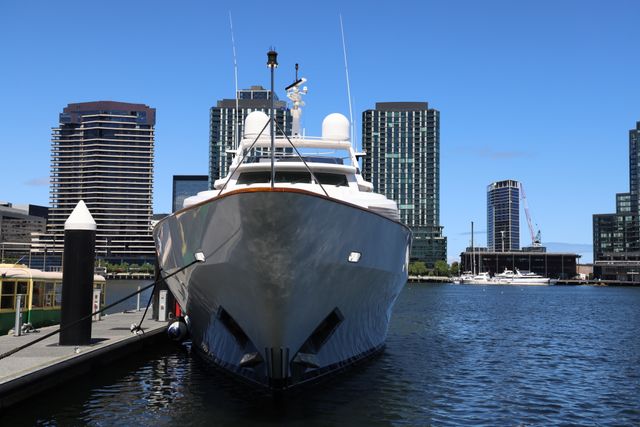

Failing to fix a boat can be an absolute nightmare, a sort of frustration that’s unique to boats. Unlike cars, where a dodgy repair job is pretty obvious as soon as you pull into the car park, a bad marine repair can lay low until the vessel is back out on Port Phillip Bay with the engine purring and the hull under load, only then to reveal its problems. By that time the workshop is already weeks behind, the season’s slipping away, and the owner is staring at repair job number two, on work that should have come right the first time. Doing things right starts well before the actual job begins.
Boat repairs Melbourne includes fibreglass, gelcoat, mechanical and electrical systems that need special knowledge related to the marine environment. The Victorian Australian Consumer Law covers all marine repairs, offering help when there is a problem with boat repairs. As reported by the Annual Marine Incident Report 2025 issued by AMSA, there were an increased number of marine accidents in which mechanical problems were the recurring element.
Port Phillip Bay Creates a Whole Set of Special Demands
Boats that operate out on Port Phillip Bay pick up a lot of fouling and salt buildup, and these accumulate at rates that depend on where they’re moored, how exposed to current they are, and how often they get hauled out. The bay’s sort of an enclosed place, which means you get some pretty decent chop and variable wind patterns that really stress out the hull fittings and deck hardware, quite different from what you’d see in open ocean conditions. A repairer based in Sandringham, Hastings, or Williamstown has first-hand knowledge of the local demands, which is something a generalist outfit inland won’t have. When it comes to below the waterline assessments that’s the sort of knowledge that really matters, it’s the bay’s water chemistry and the hull surfaces that need to be treated right.
The Gelcoat Versus Paint Problem is a Common One
A lot of production fibreglass boats leave the factory finished in gelcoat, a sort of pigmented polyester resin that goes on as the final coat when they’re manufactured. Older boats, or those that have been repaired or resprayed previously, often end up with multiple layers of topcoat paint on top of the original gelcoat, which means two entirely different surfaces that need to be treated in entirely different ways.
Trying to slap on a gelcoat repair over a paint job just doesn’t stick and within months you’ll see the problems. If a repairer doesn’t do their homework and figure out what surface they’re dealing with before they give a quote, that’s a pretty fundamental oversight that suggests how the whole job is going to get managed.
What a Scope of Works Should Actually Say?
When it comes to getting a boat fixed, any agreement needs to specify exactly what you want done, the materials that are going to be used, and how the surface is going to be prepared, it’s just not enough to give a price and tell the owner what it’s going to look like. Osmotic blister treatment for instance, that involves a whole series of steps like drying, grinding, fairing, and sealing, each of which needs to be given enough time, if a quote doesn’t allow for that time, it just can’t be done. When it comes to marine upholstery, you need to specify the foam density, fabric grade, UV resistance rating, and thread type, not just a colour match. Labour rates for marine repair reflect the level of specialisation required, and if a quote is significantly below the market rate for similar work, it’s usually a sign that they’re cutting corners somewhere.
Consumer Protections Apply to Marine Repair
Under the Victorian laws and the Australian Consumer Law, the consumer protections apply to the repair of marine products just as they would for any other trade service. The repairer hired through an insurance claim has those same responsibilities regardless of who pays the bill.
Written documentation of all instructions, authorisations, and conversations throughout the repair process provides the basis necessary to take any dispute to Consumer Affairs Victoria should the completed work be unsatisfactory or incomplete. An independent second opinion is advisable if it seems the approved repair scope, through an insurance claim, underestimates the extent of the damage. This is especially true of osmotic blister repair and fibreglass repairs.
Repairer Selection for Haul-Out Service
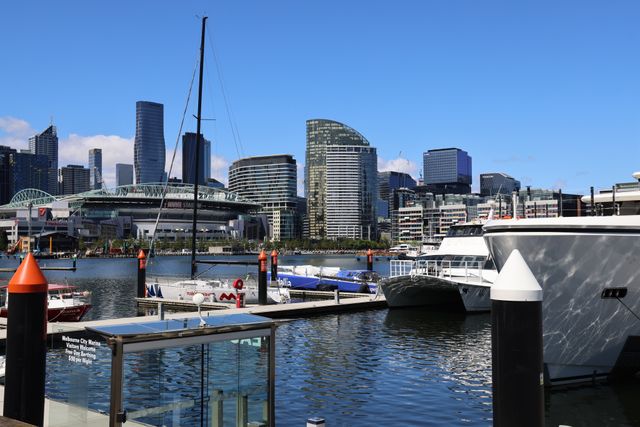
The AMSA Marine Incident Annual Report 2025 shows a 4% increase in marine incidents for domestic commercial vessels in 2025 compared to 2024, mechanical failure being one of the causes. While these statistics relate only to commercial vessels, the underlying maintenance principles apply to recreational boats on Port Phillip Bay equally.
The travel lift capacity is an important consideration to determine the type of vessels that a particular workshop can work on. Ensuring that the lift capacity is verified before hiring any repairers for underwater work prevents being faced with the problem after booking a service when the season is already over. Using a workshop facility with all the available services of slipping, mechanical services, fibreglass repairs, and detailing reduces the risk of coordinating different contractors on a project.
Inspection of finished work of the same scope as required before hiring is a legitimate requirement. Any good repairer will allow it.