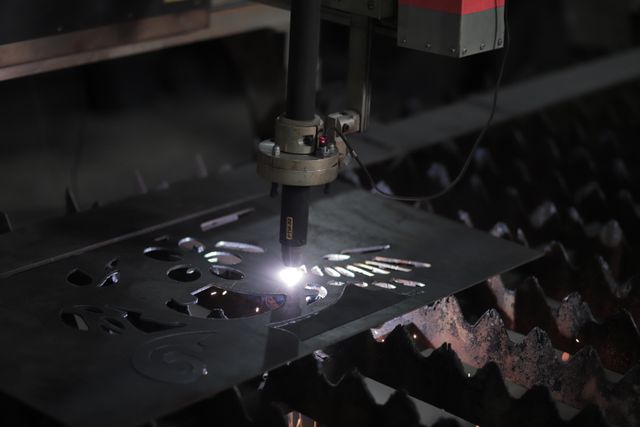

Melbourne’s fabrication sector’s got no shortage of places that will chop metal with a laser cutter Melbourne, but the good ones can be hard to find. The one that’s perfect for cutting decorative stainless screens might not be the right fit for a manufacturer trying to whittle down a load of 20mm Bisalloy with super tight tolerances. Only going on price is a sure-fire way to find out the hard way.
How Laser Cutting Actually Works and Why You Should Care About What Kind of Machine They’re Using?
A super powerful beam of light gets focused through some optics and ends up melting or vaporising material along the cutting path that’s been programmed into the computer. But how precise that path is and how good the finished edge looks, well that all depends on the machine doing the cutting. CO2 lasers work pretty well on non-metals and thicker steel, they’re still really widely used across Melbourne’s general fabrication scene. Fibre lasers cut loads faster on thin mild steel and aluminium, are cheaper to run in big batches and have become the go-to for places that need to crank out a lot of parts in a hurry. Bystronic machines made in Switzerland are basically the benchmark for CO2 laser cutting in sheet metal fabrication when it comes to the big operators in Melbourne. And then there are people using Yawei machines who do a great job for places that are churning out loads of parts.
What the Real Laser Cutters in Melbourne Are Actually Capable Of?
The standard stuff that most of the established operators in Melbourne will handle is mild steel, stainless steel, and aluminium. But if you’re looking to cut anything fancier, like titanium or some of those super high tensile steels, you need to check with the operator first to make sure their machine can handle it. Non-metals like acrylic, MDF and the rest are a whole different story, they’re probably going to be of interest to someone in signage, shopfitting or one of the creative industries. If you’re looking to cut stainless steel, you want to make sure the machine can do it cleanly up to 16mm. If you’re using mild steel you can go up to 20mm but that’s only if you’ve got a big rig like a 5200W CO2 Bystronic system, otherwise it’s 10mm for aluminium. Just remember, always check the material and thickness compatibility before you even think about quoting.
Tube and Rotary Laser: Something Most Melbourne Clients Don’t Even Know About
Flatbed cutting is for sheet and plate, that’s pretty obvious. Tube laser cutting is for cutting cylinders, hollow sections, steel beams and square hollow sections, it can even do some pretty complex work like cutting holes and profiles in a single pass without having to set up a whole new machine. And if you need to cut something with an accuracy of +/0.1mm, that’s super important for structural, mechanical and architectural work where everything has to fit together just right. It’s not uncommon for clients to get caught out on this one, they get a job done and then they find out they’ve got to use another machine to do the tube work. If you can find a provider who’s got a rotary cutting machine then you might be able to save a whole load of hassle, and a whole load of money.
How to Properly Evaluate a Quote from a Melbourne Laser Cutting Service?
Material nesting is actually a pretty big cost driver, it’s how well the operator can cut more from the same sheet of material. It’s not always obvious from the quote but if they’re doing a good job of getting the most out of the material then they’re saving you money. And then there’s turnaround time, that’s the time it takes to get the job done. If you’re getting a competitive price but it’s going to take ten days that’s going to cost you more in project delay than if you got a slightly higher price but the job was done the next day.
Where Is There High Demand for Laser Cutting in Melbourne?
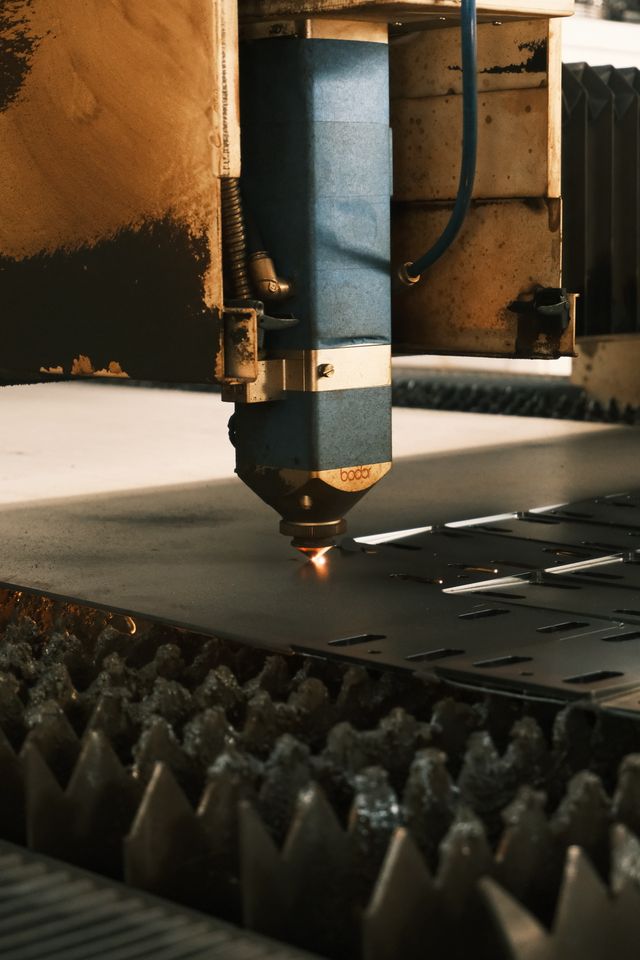
The demand for construction and architectural fit-out is high because of the use of decorative screens and customised panels as well as shop front elements. There are some industrial and manufacturing customers with low to medium volume production where laser cutting is preferred over tooling due to its cheaper nature and flexibility. The customised metal work and commercial signs that include laser engraving on steel, aluminium, timber and rubber have increased the range of applications of this demand for branding purposes.