
Head into most Perth hardware stores and you’ll likely see a shelf of products that promise to fix your damp problems, waterproofing paints, tanking compounds, and damp seal coatings. The packaging is really confident and the price isn’t too bad either. But sadly, in almost all cases where you actually have a real rising damp problem, these products just aren’t up to the task. They’re not poorly made, they’re actually just treating the symptoms and not the root cause of the issue.
Rising damp is really just a moisture movement problem. The water gets drawn up through the masonry via capillary action, rising up the wall from below. In most cases, a paint-on sealant slapped on the inside of the affected wall isn’t actually going to stop that moisture movement. It just blocks it for a while, forcing the water to find some other exit point, which can often cause even more damage to the wall in the long run. Understanding the difference between just covering up the problem and actually treating it is basically the most important thing you need to get your head around before dealing with rising damp treatment Perth operators.
Chemical Injection: What Proper Treatment Looks Like
The most widely used and actually evidence-supported way of treating rising damp in Perth is chemical damp proof course injection. The basic idea is pretty simple. A water-repelling compound, usually something like a silane or siloxane product, gets pumped into the mortar bed at the base of the wall, where it hardens and forms a barrier across the wall’s width.
Surface Treatments and When They Have a Role
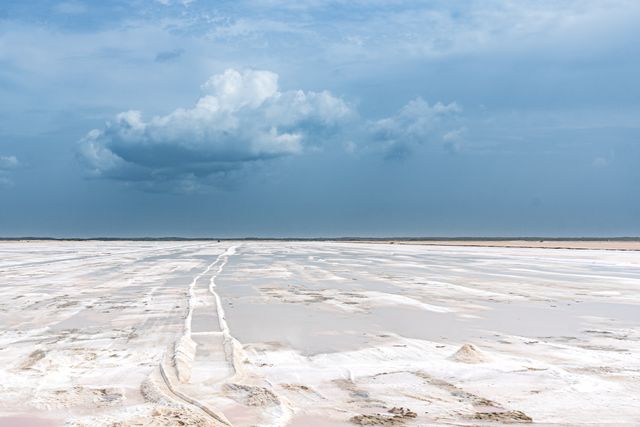
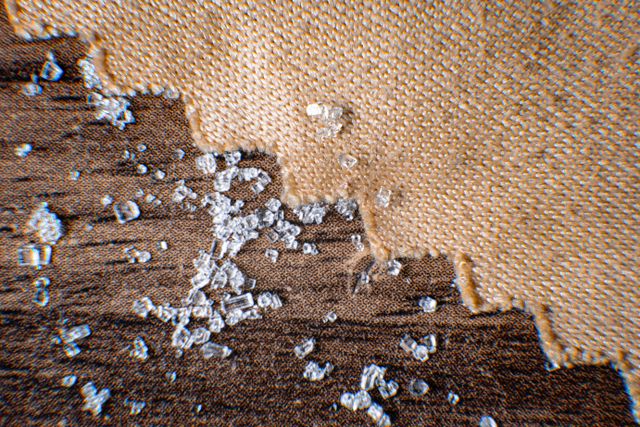
Specialist plasters and renders that are resistant to salt damage are actually a really important part of making sure rising damp doesn’t come back. They’re not a substitute for doing the job right in the first place. They’re just what you do after the primary moisture barrier is in place. Once the injection barrier has hardened and moisture isn’t moving through that part of the wall so much, you then need to deal with all the old salt that’s been built up in the plaster over the years. All the years of water moving through the wall have left all sorts of dissolved salts in the plaster above the damp zone. That then continues to do damage even when the moisture is finally under control.
Structural and Drainage Contributions to the Problem
Tackling rising damp with a damp proof course injection is basically just treating the symptoms in the wall itself, rather than addressing the root cause. It’s got no effect on the moisture levels at the base of the wall. So places like Perth where the house has a raised garden bed right up against the exterior wall, or the downpipes are discharging right next to the foundations, or the subfloor ventilation is pretty dire still tend to dump loads of moisture at the wall base, even after some treatment. That treatment’s only going to last for a while.
You’d be a lot better off accepting a remediation job that comes with an assessment of the drainage issues. Maybe getting some of the garden beds sorted out or at least finding a way to improve the subfloor ventilation. Never just accept a quote that only does a bit of injection treatment without any thought to these other factors. The treatment will be a waste of time in the long run. Before you finalise any remediation work, be sure to ask about whether a site drainage assessment gets done and what the treatment operator thinks about your foundation moisture levels.
Guarantees, Qualifications, and Post-Treatment Monitoring
You want to deal with a reputable Perth rising damp specialist and get a written treatment plan. It should spell out the injection product they’ll use, the pattern they’ll drill, what they’ll do with the render when they’re done and the type of render they’ll use for the job. The guarantee should say what counts as a treatment failure and what they can fix for you, not just what you’re not complaining about. When they say what to look for, it’s about the moisture levels in the wall, not about complaints. Then there’s post-treatment monitoring. A bit of checking every now and then to see if the wall is drying out properly. Walls that have been soaked for decades won’t dry in three months. Don’t get your wall replastered till it’s completely dry. That just puts the damp back in a different form and all the good work is undone.