

A good decision begins with context: the weekday kitchen is put to the test before anyone has a moment to appreciate the cabinetry. For busy Cheltenham houses with school bags, coffee, lunches and staggered departures, island clearance and charging spots integrate everyday convenience with using the morning rush as a practical design brief. If people bump into one other, there’s not enough bench space and the things we use often are put too far away, a good layout is still a failure, therefore a constant check of fridge-to-bench distance should be made before promises of a kitchen that cuts down on collisions and makes the start of the day calmer.
What is a robust result to learn is that a lovely arrangement can go wrong if people intersect, space on the benches is lost and the things we want to reach are kept too far away. Instead, kettle and toaster zones and lunch prep need to be learned through using the morning rush as a real-world design brief. This discussion treats waste access as a useful piece of evidence, not as a footnote to be saved for last. Busy Cheltenham households juggling school bags, coffee, lunches and staggered departures can balance cost, schedule and expected performance on the same practical basis as island clearing.
Fridge to bench distance The first useful signal
Real conditions come into play when a beautiful plan still fails because people cross paths, bench space vanishes and commonly used objects are too far away. Then in comes kitchen renovations Cheltenham. For busy Cheltenham families with school bags, coffee, lunches and staggered departures to manage, charging points makes the phrase a decision to use the morning rush as a practical design brief rather than a generic buy. Before there’s a scope, timeframe or amount of expenditure commitment, any viable recommendation must connect the fridge-to-bench distance, kettle and toaster zones and lunch preparation.
A comprehensive assessment links kettle and toaster zones; lunch preparation and garbage access. Here, kettle and toaster zones modify how lunch prep should be done and waste access can change the end sequence. By showing those links, it helps busy Cheltenham households handling school bags, coffee, lunches and staggered departures differentiate tasks vital to a kitchen that prevents collisions and makes the first part of the day calmer from improvements that can wait for a later stage.

Kettle and Toaster Zones and the Connection to Lunch Preparation
Instead of improvising, the team can look at the existing routine, group chores into zones, validate appliance and storage places and test movement before finishing finishes. Groups of tasks into zones Finishing watch the existing routine before Protecting the treatment of island clearing from an untested assumption. The following procedures, especially validate appliance and storage places and test movement before finishing finishes, then become checkpoints for trash access rather than spontaneous reactions.
Designing from the symmetry of showroom instead of the household’s busiest twenty minutes is a hasty decision. That shortcut can overlook the distance from fridge to bench, leaving test movement before completing completion to reveal an issue when rectification is more disruptive. A steady start is a better way for busy Cheltenham households handling school bags, coffee, lunches and staggered departures to a kitchen that reduces collisions and makes the early part of the day peaceful without paying twice for the same uncertainty.
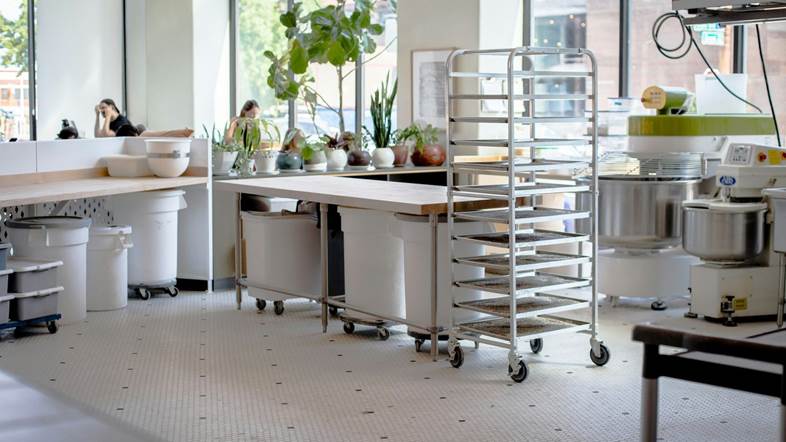
How to Follow the Old Routine for a Kitchen that Avoids Collisions
The technical answer needs to live, the finished solution has still to answer charging ports, fridge-to-bench distance and kettle and toaster zones. A kitchen that reduces collisions and makes the start of the day calmer is only useful to busy Cheltenham households juggling school bags, coffee, lunches and staggered departures if it can withstand everyday use alongside lunch prep. So, when breakfast arrives unbidden, the renovation has already paid for itself before the rest of the house is fully awake.
The transparent handover details the learnings about island removal, managing waste access and what test movement showed prior to the finishes being completed. The use of the morning rush as a practical design brief had generated records which enabled future maintenance to start from a base of evidence concerning zones for kettle and toaster, rather than memory. They also arranged in that sequence to demonstrate to another professional why the present routine should be observed, duties grouped into zones, appliance and storage places confirmed and movement tested before finishing finishes.
Long-term confidence hinges on whether a kitchen that cuts collisions and makes the first part of the day more peaceful remains in sight when garbage access is changed or the original pressure is removed. Then later review can balance island clearance against access to waste and see if test movement before finalising finishes is still supporting the intended outcome. For busy Cheltenham households managing school bags, coffee, lunches and staggered departures, that review provides a steady adjustment path without throwing out work that continues to perform. When the utilisation of the morning rush as a realistic design brief can be understood through everyday use, the response becomes a permanent improvement and not just an ephemeral reaction.